A global research program for doctors and medical students

Learn how to design, conduct, and write high-quality systematic reviews and meta-analyses to advance your academic career.

scroll

OUR MISSION

What is the Meta-Analysis Academy?

The Meta-Analysis Academy is the ultimate training in systematic reviews and meta-analyses. The program guides participants from core concepts through project development, rigorous application of appropriate methodologies, conduction of statistical analyses, and preparation of scientific manuscripts.

Why conduct a systematic review
and meta-analysis?

There are three main reasons - autonomy, impact, and speed

01.

Autonomy.

Systematic reviews and meta-analyses enable you to publish from anywhere in the world. They do not require ethics committee approval, mentorship, statistical consultation, or institutional support. Affiliation with a university or hospital is not necessary. All that is needed is a computer, internet access, and the methodological expertise provided by our training.

02.

Impact.

You have likely come across an evidence pyramid during your healthcare training. Systematic reviews and meta-analyses occupy its highest level, representing the strongest evidence. Mastering these methods enables you to produce research with significant impact. Rather than focusing on case reports or lower-tier studies, develop the expertise to conduct systematic reviews and meta-analyses, publish in leading journals, and present at prestigious international conferences.

03.

Speed.

You may have experienced the frustration of having a project delayed for months awaiting ethics committee approval or the extensive time required to collect data from medical records. Systematic reviews and meta-analyses eliminate these obstacles. With the methodologies we teach, the typical timeframe to complete a systematic review and meta-analysis - from conception to journal submission - can be of approximately 5 to 7 weeks.

0+ countries reached

teaching students to publish high-impact articles independently.

0+ participation in
congresses.
0+ participation in
papers.
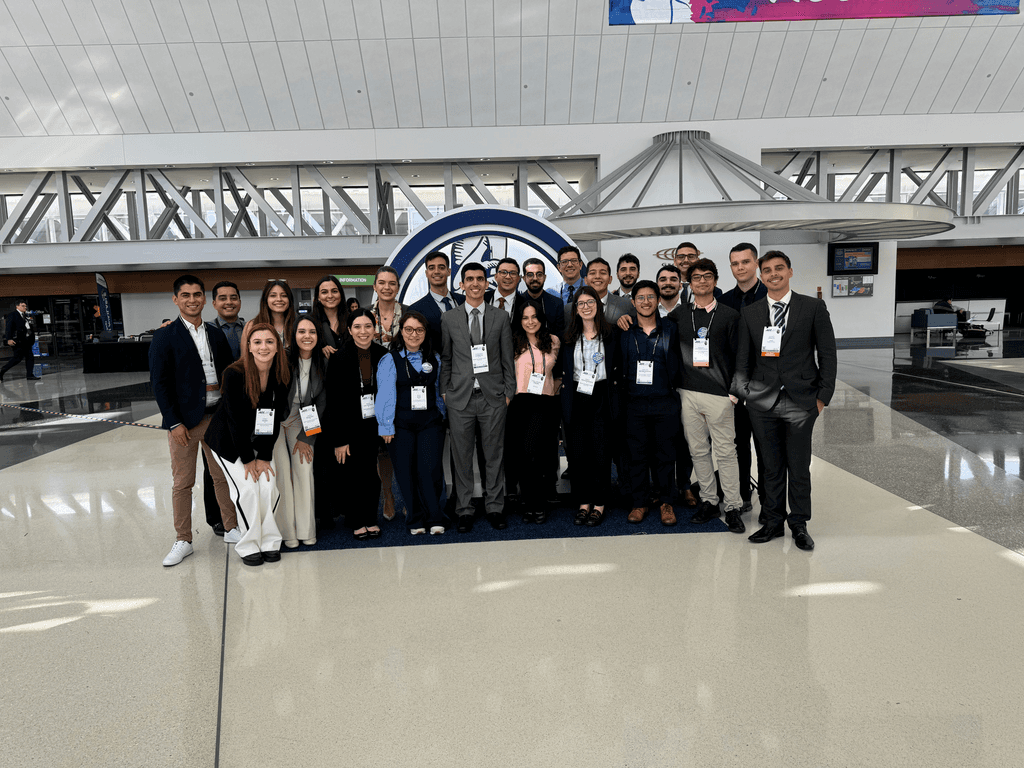
Meta-Analysis Academy students
Rhanderson Cardoso, MD, FACC

The Founder and Lead Mentor in The Program

Rhanderson Cardoso,
MD, FACC

Dr. Cardoso graduated from the Federal University of Goiás and completed his medical residency at the University of Miami, where he served as chief resident. He has been honored with several teaching awards, including the Rhanderson Cardoso Service Award at the University of Miami and the Junior Faculty Teaching Award from Harvard Medical School's Cardiovascular Division.

His journey was made possible through God's blessings and the opportunities that came his way through scientific publications. Dr. Cardoso mastered systematic reviews and meta-analyses early on and has since authored over 90 papers in leading international journals. His work has accumulated more than 2,500 citations and is referenced in guidelines by the American Heart Association, American College of Cardiology, and European Society of Cardiology.

Through Meta Academy, also known as the Meta-Analysis Academy, Dr. Cardoso now teaches healthcare professionals from around the world how to follow a similar path - building strong scientific publications with autonomy through systematic reviews and meta-analyses, enabling them to build influential careers.

*The Meta-Analysis Academy is an independent organization and is not affiliated with the institutions mentioned above.

OUR TEACHING APPROACH

How does the Meta-Analysis Academy work?

Each of the 10 modules combines both theoretical and practical elements. First, you will have a recorded lesson focused on theory and core concepts, with a unique instructional approach. Next, you will have the chance to apply these concepts through a hands-on exercise grounded in current literature, developing the skills necessary to undertake such steps independently.

Lastly, a live practical session is held, during which the exercise is reviewed collaboratively with Dr. Cardoso and other teachers in the course. These interactive classes, which are called Curricular Practical Training (CPTs), encourage engagement from all participants through questions and discussions. Sessions are scheduled weekly on Sundays (for the English-speaking cohorts). If you are unable to attend the live sessions, recordings are made available for your review. Access to the program is for a full year from the onset of classes.

Disclaimer: The Meta-Analysis Academy does not guarantee publications. The course provides comprehensive instruction on (1) how to develop research ideas; (2) methods; (3) statistics; and scientific writing for systematic reviews and meta-analyses, with full support provided to students. Publications are the sole responsibility of the authors.

Check out the modules below:

This module lays the foundation for starting your journey in meta-analysis. It covers the relevance of meta-analyses, essential statistical concepts, the main study designs, interpretation of association measures, an introduction to PubMed searches, and how to identify different types of scientific publications.

  • Why is meta-analysis an essential tool for evidence-based practice?
  • What basic statistical concepts should I review before starting?
  • What are the main types of study designs in clinical research and how do they differ?
  • What are measures of association (risk ratio, odds ratio, mean difference) and how do I interpret them?
  • How does the PubMed database work and what are the first steps for an effective search?
  • What are the different types of scientific publications and how can I identify them?

This module focuses on how to generate and develop strong ideas for meta-analysis. You will learn where good research questions come from, how to recognize the most relevant methods to explore them, and how to turn an initial concept into a concrete project through real examples.

  • What are the 10 most important methods for conducting a meta-analysis?
  • How to apply these methods step by step in practice.
  • Practical examples presented by professor Cardoso and students.
  • Common pitfalls when developing meta-analysis ideas and how to avoid them.

In this module, we will focus on how to properly define your research question — the cornerstone of every systematic review and meta-analysis. A well-structured question ensures clarity and guarantees that your review compares studies that are truly similar.

  • How to define a meta-analysis question using the PICOTT framework.
  • Why it is important to pre-specify all components of the PICOTT question.
  • How to avoid comparing "apples and oranges" in your systematic review.

This module focuses on how to ensure the viability of your meta-analysis from the very beginning. You will learn what to do if a meta-analysis has already been published on your topic, how to refine and strengthen your research question, and how to design clear inclusion and exclusion criteria to guide your study selection.

  • How to assess the viability of your meta-analysis idea.
  • What to do when a meta-analysis on your topic has already been published.
  • Methods to refine and improve your research question.
  • How to create and apply inclusion and exclusion criteria.

This module focuses on how to build and refine a search strategy specifically for systematic reviews and meta-analyses. You will learn to identify the right keywords, structure your queries with logic and precision, and test your strategy to make sure you capture all relevant studies without introducing unnecessary noise.

  • Expanding your search with synonyms and related terms to capture all eligible studies.
  • Using Boolean operators to structure a systematic and reproducible search.
  • Testing and refining your strategy to ensure completeness and relevance in systematic reviews.
  • Applying advanced techniques with controlled vocabulary (e.g., MeSH terms) to optimize meta-analysis searches.

This module explores how to expand your systematic review and meta-analysis beyond PubMed by searching other key medical databases. You will also learn how to write and register a protocol, a crucial step to ensure transparency and reproducibility in your work.

  • Creating customized search strategies for major medical databases such as Pubmed, Cochrane Library and Embase.
  • How to download and export studies from each database.
  • Writing a clear and structured protocol for your systematic review and meta-analysis.
  • How to register your protocol in PROSPERO.

This module explains the process of screening and selecting studies for your systematic review and meta-analysis, from organizing references to final inclusion decisions.

  • Using reference managers to organize and deduplicate studies.
  • Screening studies based on titles and abstracts.
  • Choosing the final studies for inclusion in the meta-analysis.
  • Documenting the selection process with a PRISMA flow diagram (Figure 1).

This module focuses on how to systematically extract and organize data from the studies included in your systematic review and meta-analysis. You will learn how to select the right outcomes, decide which variables to collect, and build a clear and well-structured Table 1.

  • Collecting data from included studies in an organized and consistent way.
  • Selecting primary and secondary outcomes for your meta-analysis.
  • Choosing the variables that will make up Table 1.
  • Building a clear and structured Table 1 to summarize study characteristics.

This module provides a practical overview of the main statistical tools and techniques used in systematic reviews and meta-analyses. You will learn how to generate and interpret different plots, explore heterogeneity, perform subgroup and sensitivity analyses, and conduct various types of meta-analyses using leading statistical software.

  • Creating and interpreting forest plots to summarize study results.
  • Understanding heterogeneity: what it means, how to measure it, and how to explore it.
  • Conducting subgroup analyses and building funnel plots to assess publication bias.
  • Performing meta-analyses with binary data, continuous data, effect sizes, network meta-analysis, single-arm studies, and diagnostic accuracy.
  • Choosing outcomes and ensuring the right statistical model is applied for each type of data.
  • Using software such as R, STATA, and RevMan to run analyses and generate outputs.

This module focuses on how to transform your systematic review and meta-analysis into a clear, well-structured scientific manuscript. You will learn step by step how to write each section, follow journal requirements, and make the writing process more efficient and enjoyable.

  • Writing an engaging introduction that highlights the relevance of your research question.
  • Describing methods in a transparent and reproducible way.
  • Presenting results clearly with the proper use of tables and figures.
  • Developing a strong discussion that interprets findings and situates them in the context of the literature.
  • Finalizing your manuscript: conclusions, references, and journal submission process.

This module covers the final step of your systematic review and meta-analysis: preparing and submitting your manuscript to a scientific journal. You will learn how to choose the right journal, adapt your manuscript to submission guidelines, and handle the peer-review process.

  • Adapting your manuscript to journal-specific submission requirements.
  • Preparing cover letters and required materials.
  • Understanding the peer-review process and how to respond to reviewers.
  • Navigating revisions, resubmissions, and final acceptance.

This module teaches you how to critically appraise the quality of evidence in systematic reviews and meta-analyses. You will learn how to assess the risk of bias in individual studies, apply established tools for different study designs, and evaluate the overall certainty of evidence using the GRADE approach.

  • Assessing the risk of bias in studies included in your meta-analysis.
  • Using the RoB-2 tool for randomized controlled trials.
  • Applying the ROBINS-I tool for non-randomized studies.
  • Evaluating the certainty of evidence with the GRADE approach.
01

Lectures

The lectures provide a solid foundation of knowledge, explaining fundamental concepts and essential approaches for understanding the subject.

02

Exercises

Exercises are practical activities, real-world examples, designed to train students how to conduct each step independently.

03

Curricular Practical Training (CPTs)

CPTs are practical sessions, focused on the direct application of concepts learned in the lecture and exercises, with real examples, case studies, and step-by-step demonstrations.

RESULTS THAT SPEAK FOR THEMSELVES

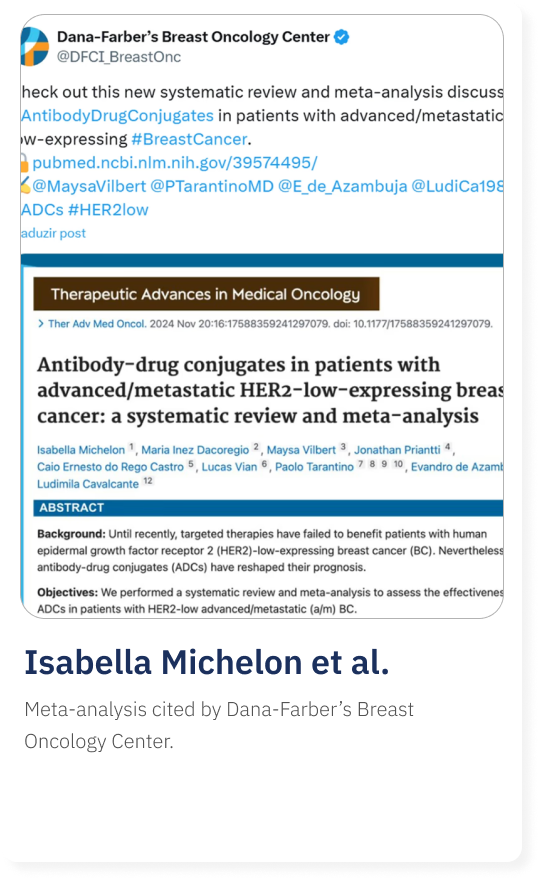
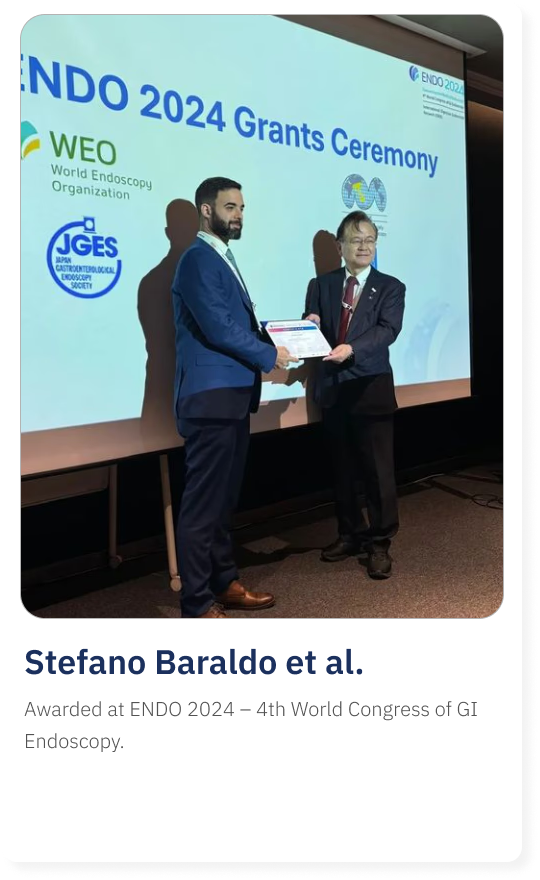
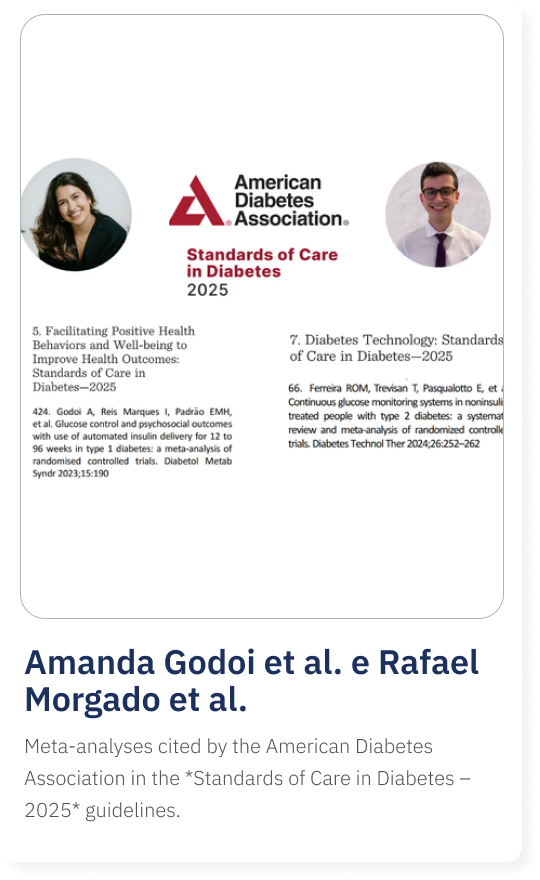
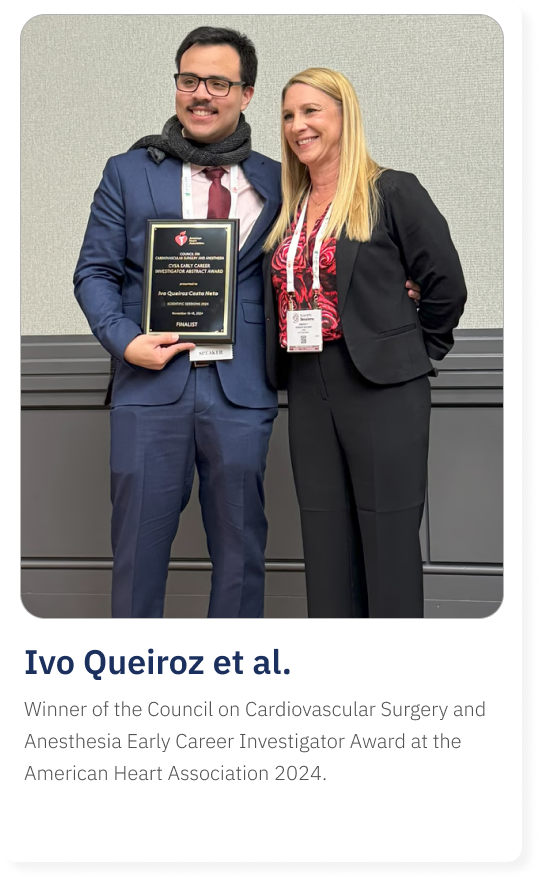
See the strength and impact of the publications.

When you have a validated method and the right guidance, growth is inevitable.
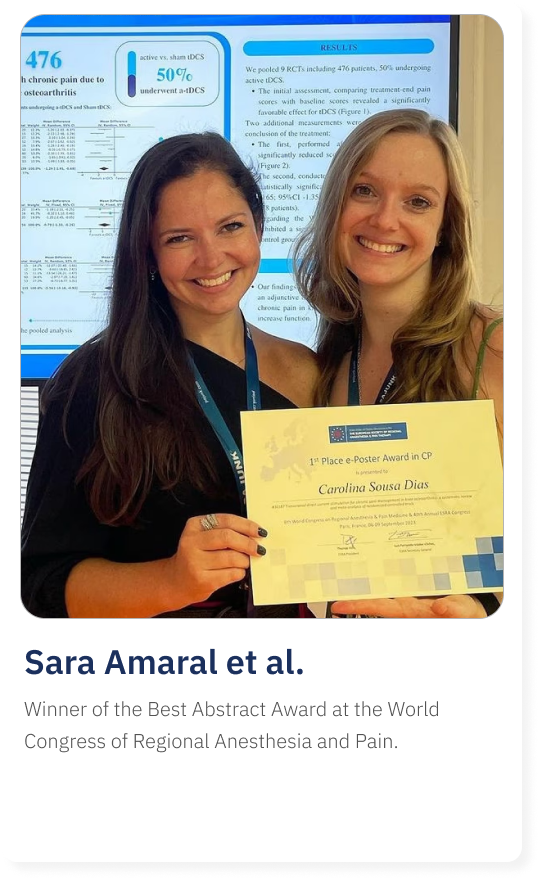
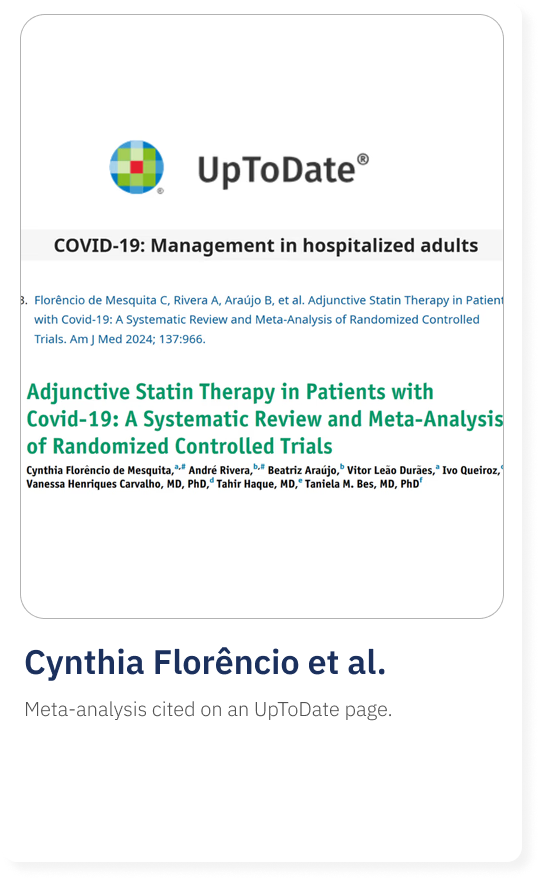
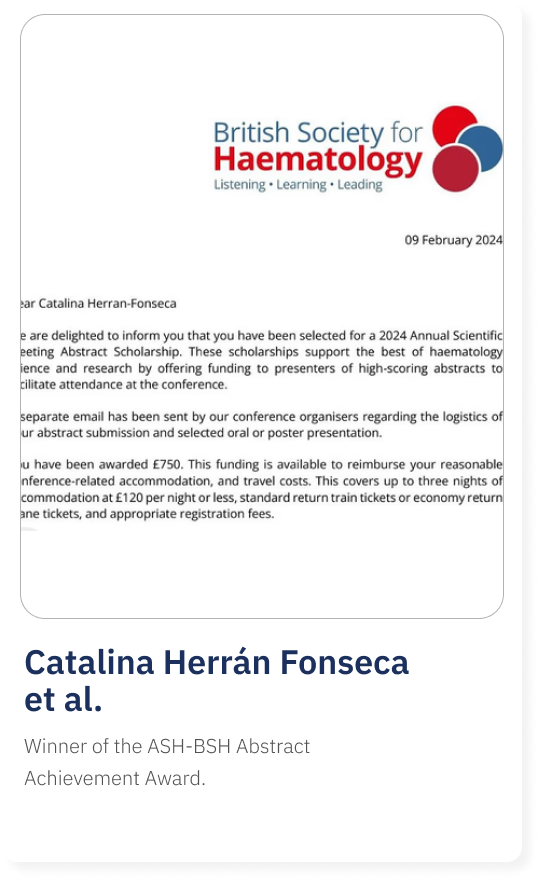
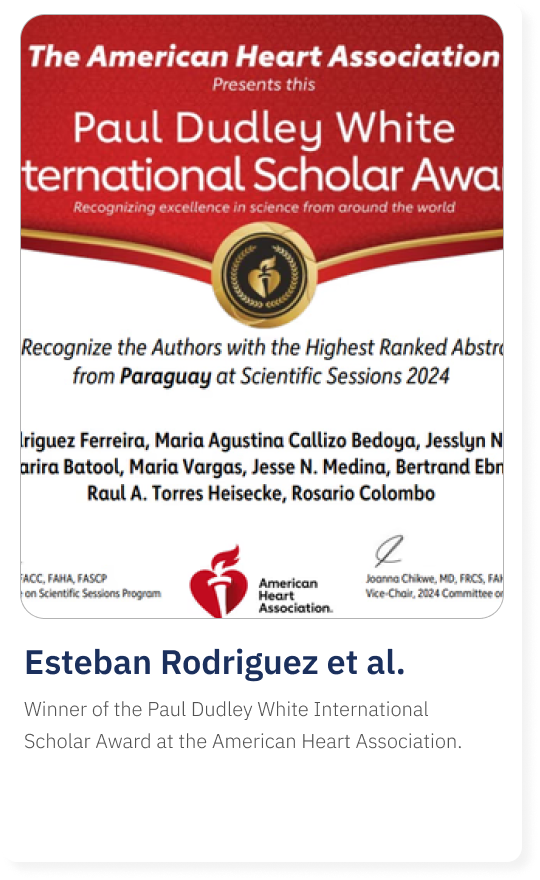
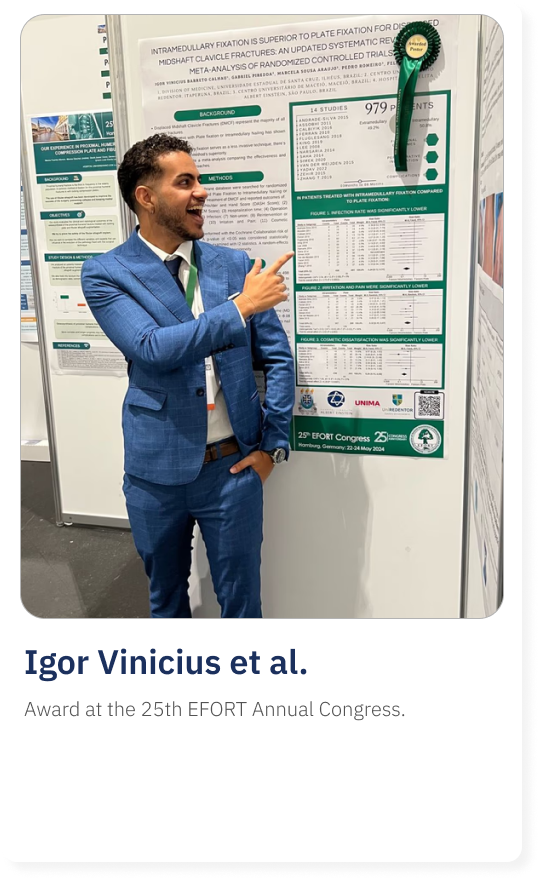
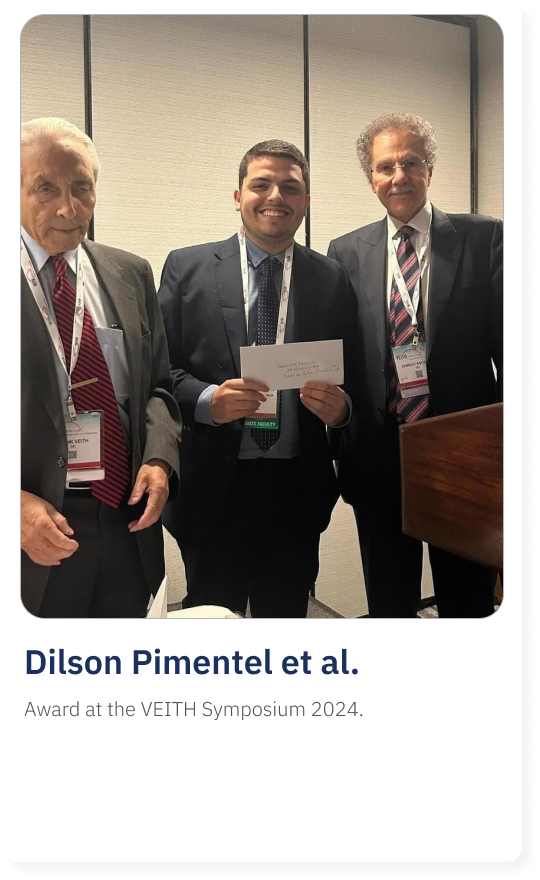
See how our students are standing out in the field with their publications!

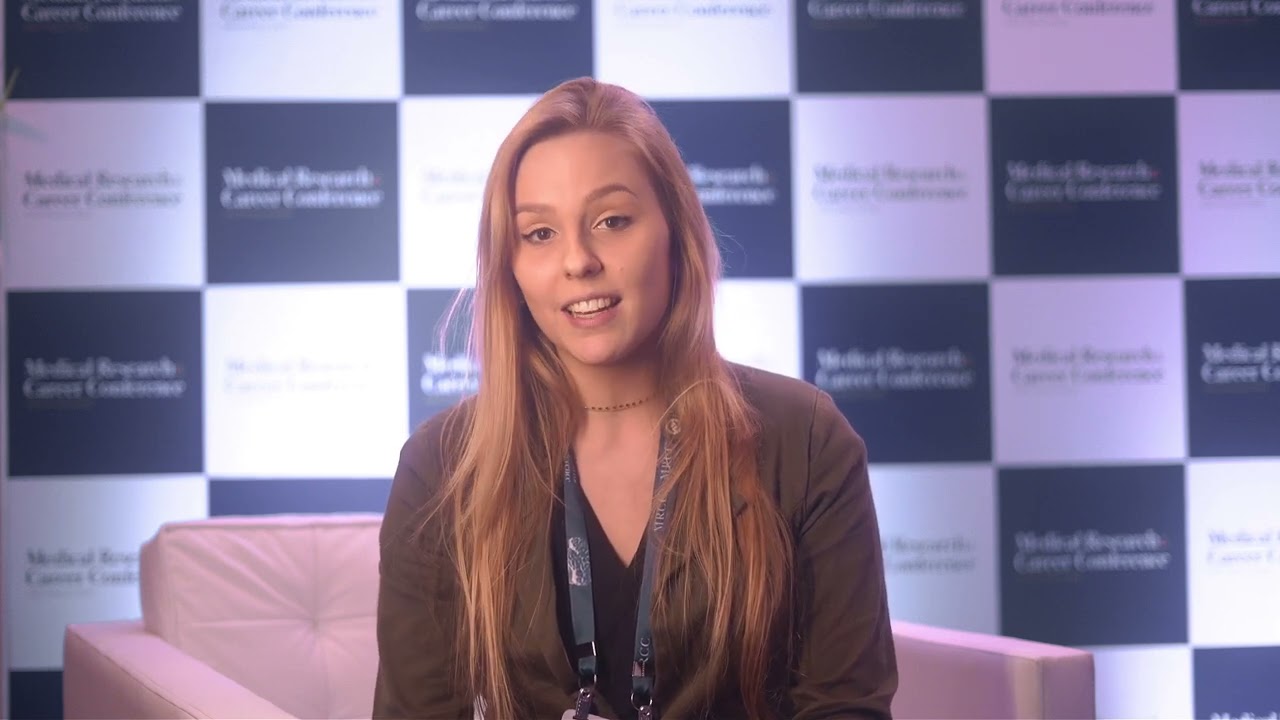
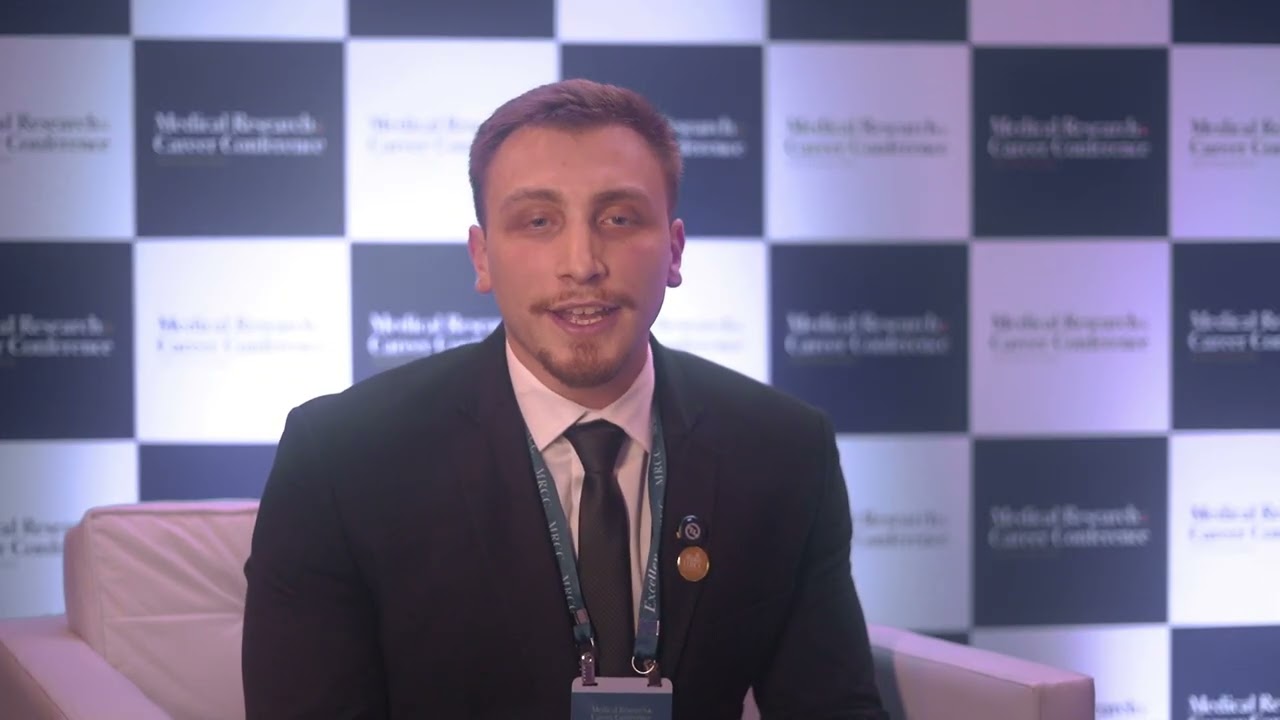
LEARN FROM THE SUCCESS STORIES OF THOSE WHO HAVE ALREADY TRANSFORMED THEIR CAREERS THROUGH THIS TRAINING

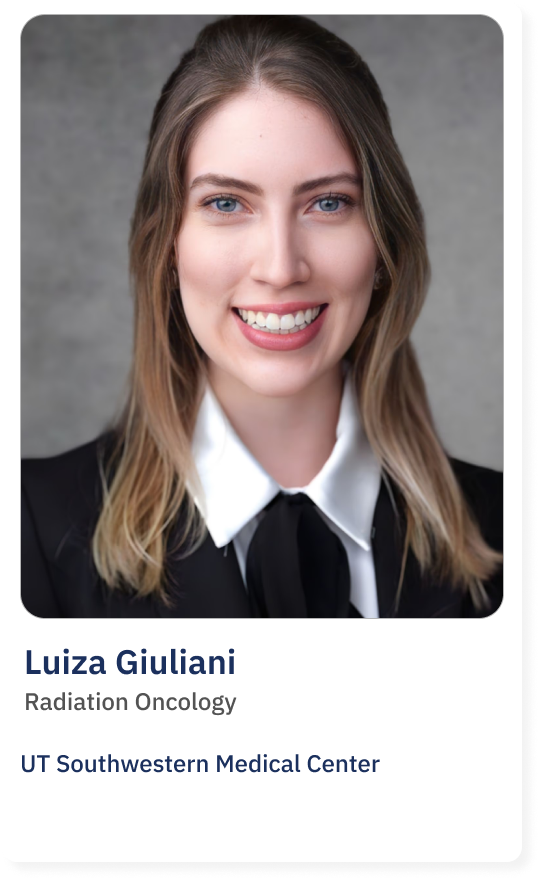
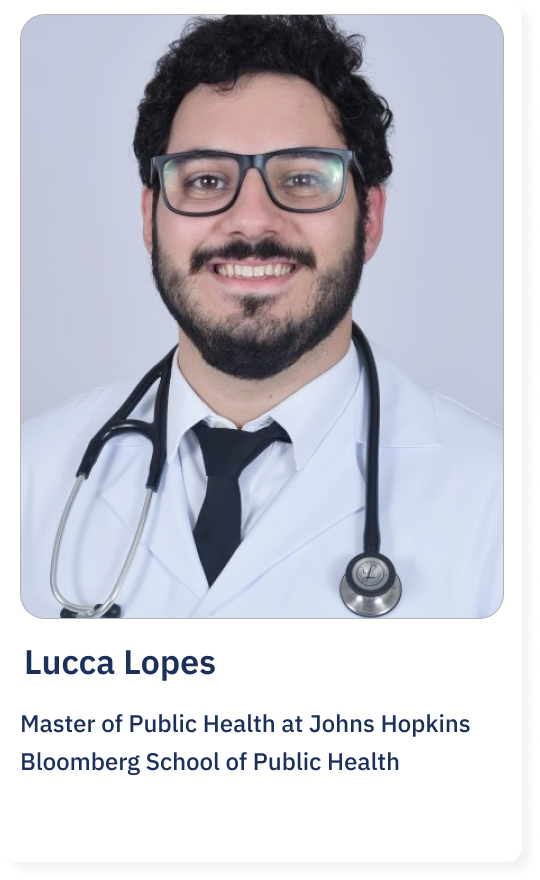
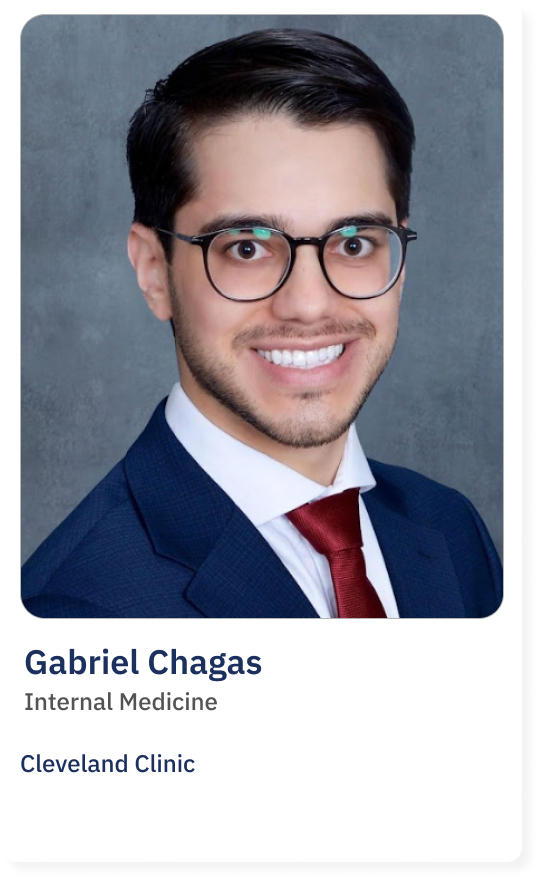
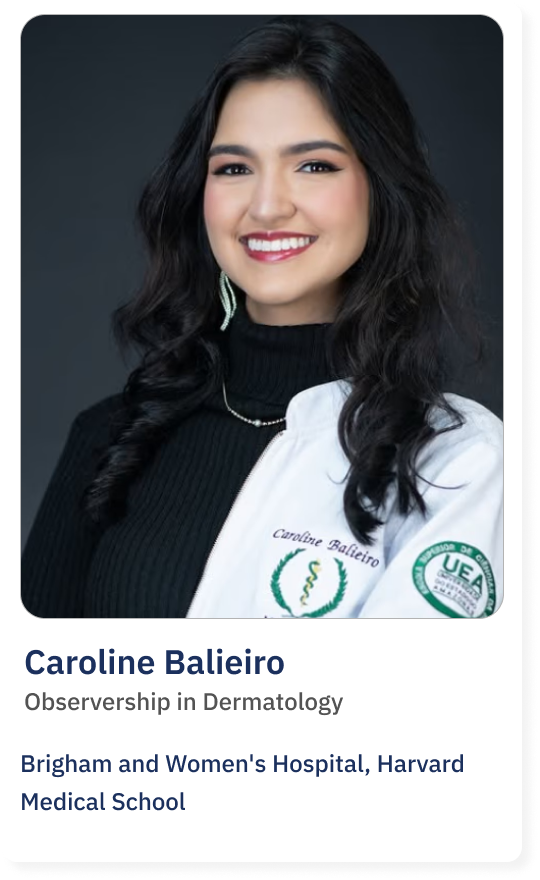
Strong publications, with autonomy,
transform careers.

Student story
Student story
Student story
Student story
Student story
Student story
Student story
Student story
Student story
Student story
Student story
Student story
Student story
Student story
Student story
Student story
Student story
Student story
Student story
Student story
Student story
Student story
Student story
Student story
Student story
Student story
Student story
Student story
Student story
Student story
Student story
Student story
Student story

RESULTS THAT SPEAK FOR THEMSELVES

Build the career of your choice through rigorous and high-impact scientific publications.

FAQ

No. We teach how to develop ideas and the entire methodology, statistics, and writing of systematic reviews and meta-analyses at the highest level. We also provide full support for conducting impactful projects, with mentoring sessions and connections within our strong research community. However, completing the projects and achieving individual results depends on each student. Our students' outcomes speak for themselves — both in the number and the strength of their publications.

The Meta-Analysis Academy is led by Dr. Rhanderson Cardoso.

Dr. Cardoso is currently Assistant Professor of Medicine at Harvard Medical School. He is originally from Brazil, where he completed medical school. He was a resident and chief resident at the University of Miami, Jackson Memorial Hospital. He published several high-quality papers as a resident and matched in Cardiology at The Johns Hopkins Hospital. He then transitioned to Brigham and Women's Hospital, Harvard Medical School, initially as an imaging fellow, then chief fellow, then attending.

Currently, Dr. Cardoso has approximately 100 peer-reviewed publications and more than 2500 citations in the literature, including from international guidelines, like the American College of Cardiology, American Heart Association and European Society of Cardiology.

He is passionate about medical education, having held various teaching positions throughout his career. He is the recipient of multiple teaching awards, including the inaugural recipient of the Rhanderson Cardoso Service Award at the University of Miami, given annually for nearly 10 years to the resident who has exemplary service in education and dedication to the program.

Dr. Cardoso is the founder of The Meta-Analysis Academy and the ECG Academy by Rhanderson Cardoso. His training programs have transformed the skillsets and careers of doctors and medical students in more than 120 countries worldwide.

Important: The Meta-Analysis Academy is not affiliated with Harvard Medical School or any other of the institutions mentioned here. Opinions expressed here are exclusively those of Dr. Cardoso and The Meta-Analysis Academy team.

You can view more about Dr. Cardoso's publications in this link:
Dr. Rhanderson Cardoso - Publications

The program is suitable for anyone who wants to learn how to publish high-quality systematic review and meta-analysis, regardless of background level of clinical training or research knowledge.

Our didactic lectures start from very basic concepts, in the Introduction Module, and move forward step-by-step through progressively more advanced topics. This structure allows for foundational training for beginners, but also a review of important early topics before jumping into more advanced training in the later modules.

You will have access to all course content until September 2027.

Yes, we do. The certificate lists all the topics discussed in the program.

The Meta-Analysis Academy is authored exclusively by Dr. Rhanderson Cardoso and his collaborators. It is not affiliated with the Meta-Analysis course he teaches at Harvard University. The program is also not affiliated with Johns Hopkins University, Brigham and Women's Hospital, or other institutions.

You can check out our full schedule here .